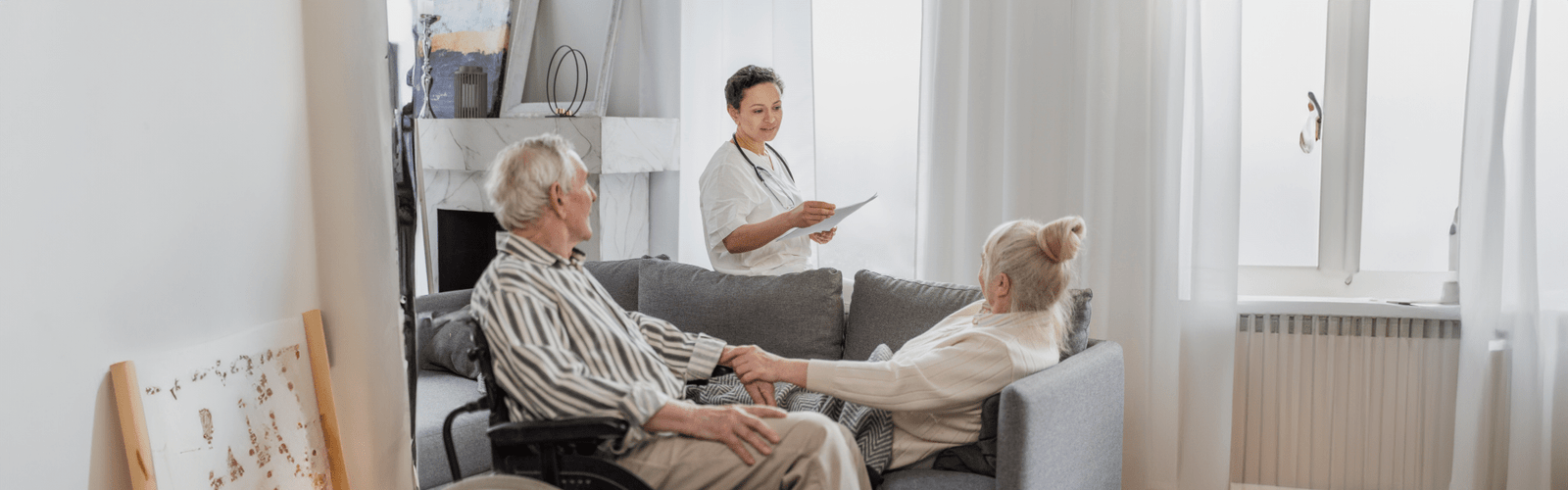
A supportive environment helps seniors do more than “get by.” It helps them feel safe, confident, and respected—while making daily life easier for families. Whether your loved one is aging in place, returning home after rehab, or living in an assisted living community, the right environment reduces stress, lowers fall risk, and supports independence.
Here’s a practical, room-by-room and routine-based guide to creating a supportive senior-friendly environment.
1) Start with what “supportive” really means
A supportive environment isn’t just grab bars and a clean house (though those matter). It’s a combination of:
Safety: fewer falls, fewer hazards, better lighting
Comfort: routines, familiarity, predictable support
Independence: set up so seniors can do what they still can
Dignity: help without taking over
Connection: less isolation, more purpose and conversation
Consistency: reliable schedules and expectations
Think: make the right choice the easy choice—for movement, hydration, meals, and daily tasks.
2) Reduce fall risk (the fastest win)
Falls are one of the biggest threats to senior independence. A few simple changes can dramatically reduce risk:
Home setup:
Clear walkways (no cords, clutter, or loose throw rugs)
Add non-slip mats in bathroom and kitchen
Use sturdy chairs with arms (avoid low, soft chairs)
Keep commonly used items between waist and shoulder height
Make sure shoes/slippers have traction
Lighting
Bright lighting in hallways and bathrooms
Night lights from bed → bathroom (motion sensor is ideal)
Light switches accessible at room entry
3) Create supportive routines (structure = security)
Many seniors function better with predictable rhythm—especially after illness or with memory changes.
Try a simple routine:
Morning: bathroom + wash up → breakfast → meds reminder (if appropriate)
Midday: hydration + light movement → lunch → rest
Afternoon: meaningful activity or outing → snack/hydration
Evening: dinner → wind-down routine → safe pathway to bathroom overnight
Even small consistency (same meal time, same check-in time) can reduce anxiety and improve sleep.
4) Build a nutrition and hydration “system”
Malnutrition and dehydration can happen quietly—especially when appetite is low, chewing is difficult, or cooking feels like work.
Supportive environment tips:
Keep water visible (a favorite cup + a filled bottle in 2–3 locations)
Use easy-grab snacks (yogurt, cheese, soft fruit, soups, protein shakes)
Prep “one-step” meals (reheat-friendly, labeled containers)
Make the kitchen simple: fewer choices, clearer labeling, less clutter
Track patterns: appetite changes, weight loss, fatigue, constipation
If swallowing or chewing is difficult, consult the primary care provider—don’t “guess” textures.
5) Make the bathroom safer and less stressful
Bathrooms are a high-risk area. Focus on stability and ease:
Grab bars by toilet and shower (not towel racks)
Raised toilet seat if standing is difficult
Shower chair + handheld shower head
Non-slip shower mat
Keep towels and toiletries within reach (no bending)
Good lighting and a clear path at night
This isn’t just safety—it’s also dignity. When the bathroom feels safe, seniors are less likely to “hold it” or rush.
6) Support memory and cognition with gentle cues
For seniors with memory loss, the goal is to reduce confusion—not force memory.
Helpful supports:
Large-print clock and calendar
Simple labels on drawers/doors
A “today board” (date + appointments + caregiver schedule)
Keep routines consistent (same order of steps)
Reduce overstimulation (too much noise/clutter can increase agitation)
When confusion rises, the environment should guide behavior: calm lighting, fewer decisions, familiar items, predictable flow.
7) Make the home feel emotionally supportive, not clinical
A supportive environment should feel like home, not a medical facility.
Try:
Display family photos and familiar objects
Keep a favorite blanket/chair “always available”
Add pleasant sensory cues (soft lighting, music, familiar scents)
Encourage small responsibilities (folding towels, watering plants, setting the table)
Purpose matters. People do better when they feel useful.
8) Plan for transitions: after hospital, rehab, or a decline
Support needs change fast after a hospitalization or rehab stay. Before your loved one comes home, set up:
A clear walking path (bedroom → bathroom → kitchen)
A main-floor sleeping option if stairs are risky
A medication plan (simple list, consistent schedule)
Follow-up appointments (transportation arranged)
Easy meals for the first week
A “watch list”: dizziness, weakness, confusion, swelling, shortness of breath
Those first 7–14 days are where extra support can prevent setbacks.
9) Don’t forget caregiver support (burnout changes everything)
A supportive environment isn’t only for the senior—it’s for the family system.
Signs the caregiver needs backup:
Constant worry, poor sleep, irritability
Missing work, health problems, resentment
Feeling “stuck” or alone in decisions
Even a few hours of consistent help each week can stabilize the whole situation.
Quick Home Safety Checklist (copy/paste)
Bringing it all together
Crafting a supportive environment is about stacking small improvements that protect independence: safer movement, simpler routines, better nutrition, and consistent human connection.